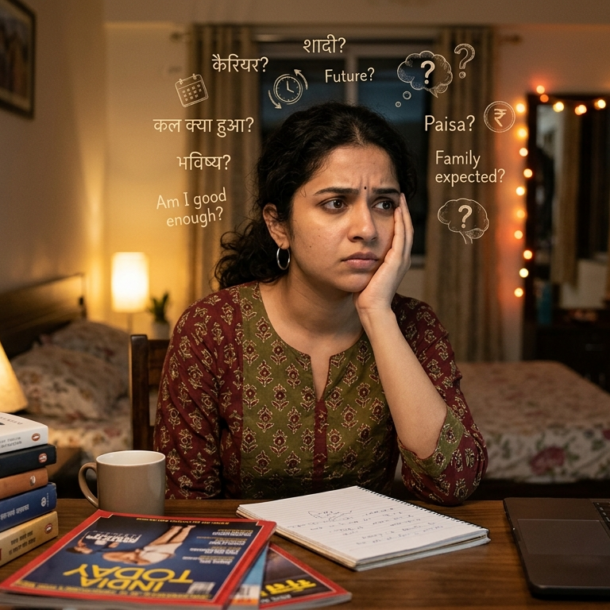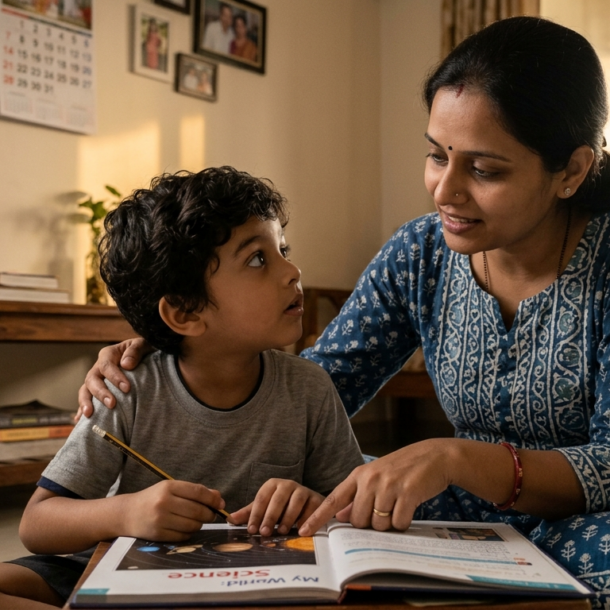

Parenting is one of life’s most beautiful journeys—but let’s be honest, it’s also one of the most challenging.
No one hands you a parenting manual when your child is born. There are no fixed rules that work for every child because every child is unique. What motivates one child may frustrate another. What inspires one child to excel may leave another feeling anxious or discouraged.
As a DMIT Expert, Parent & Career Coach, I’ve had the privilege of interacting with hundreds of families over the years. One thing I’ve consistently observed is that most parents genuinely want the best for their children—but many simply don’t know the best way to guide them.
Today’s parents are raising children in a completely different world than the one they grew up in. Mobile phones, social media, academic competition, peer pressure, artificial intelligence, career uncertainty, and mental health challenges have changed parenting forever.
In this article, we’ll explore the 10 most common parenting challenges and practical ways to overcome them so you can build a stronger relationship with your child and help them grow into a confident, responsible, and happy individual.
Modern parenting is no longer just about providing food, education, and discipline.
Today’s parents are expected to become:
At the same time, children are exposed to unlimited information, endless distractions, and increasing expectations.
The result?
Many parents feel confused, overwhelmed, and sometimes guilty.
The good news is that these challenges can be managed with awareness, patience, and the right guidance.

Perhaps the biggest mistake parents make is assuming all children learn, think, and behave in the same way.
Some children are naturally creative.
Some are analytical.
Some love people.
Others enjoy spending time alone.
Trying to fit every child into the same mould often leads to frustration for both parents and children.
Instead of asking,
“Why isn’t my child like others?”
ask,
“How can I help my child become the best version of themselves?”
Understanding your child’s natural personality and learning style is the first step towards effective parenting.
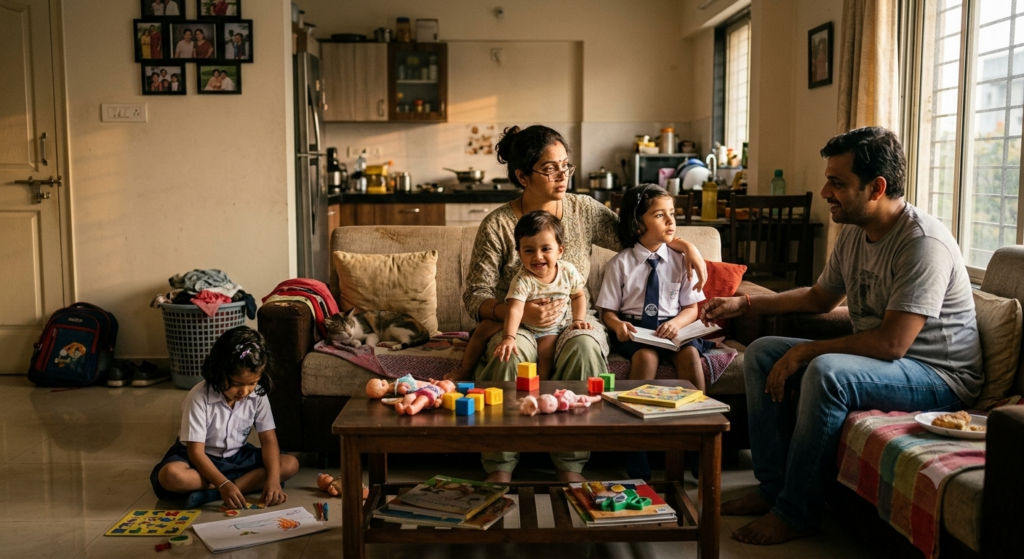
Many parents unknowingly associate good marks with future success.
While academics are important, they are only one part of a child’s development.
Children also need opportunities to develop:
Constantly comparing marks or setting unrealistic expectations can reduce motivation and increase stress.
Encourage effort, consistency, and improvement rather than perfection.

One of the biggest parenting challenges today is managing screen time.
Children spend hours on:
Excessive screen time can affect:
Instead of banning technology completely, establish healthy digital habits.
Create screen-free family time, encourage outdoor activities, reading, hobbies, and meaningful conversations.
Children often copy what parents do more than what parents say.
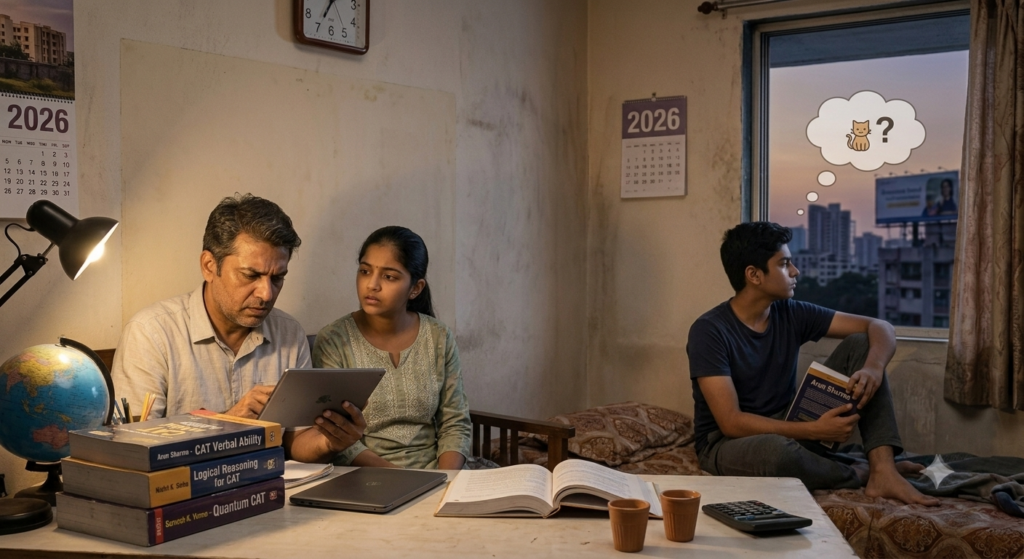
As children grow older, many parents notice that conversations become shorter.
Parents ask.
Children reply with one word.
Gradually, emotional distance develops.
Good communication isn’t about asking more questions.
It’s about creating an environment where children feel safe sharing their thoughts without fear of criticism.
Listen more.
Interrupt less.
Avoid immediate judgment.
Sometimes children don’t need solutions—they simply need someone who understands them.

Many children silently struggle with self-doubt.
They compare themselves with classmates, siblings, influencers, and unrealistic standards created on social media.
As parents, our words carry tremendous power.
Instead of saying,
“You always make mistakes,”
try saying,
“You haven’t mastered it yet—but I know you can improve.”
Celebrate progress, not just achievements.
Confidence grows when children feel accepted, supported, and encouraged.
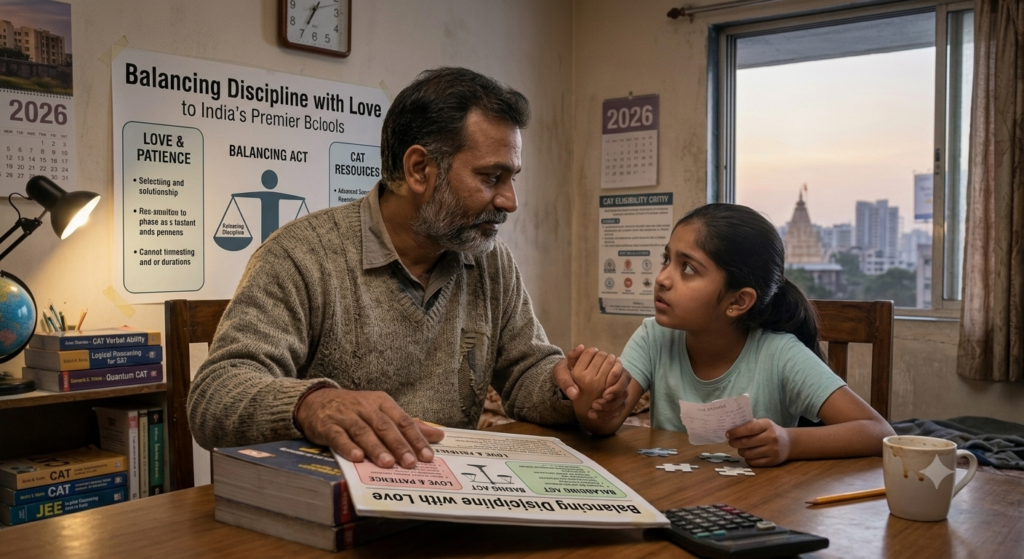
Career confusion has become one of the biggest concerns for students and parents alike.
Many students ask:
Parents often rely on trends, relatives’ opinions, or societal expectations.
A better approach is to consider the child’s interests, strengths, aptitude, personality, and long-term goals.
Career decisions should be based on understanding—not assumptions.
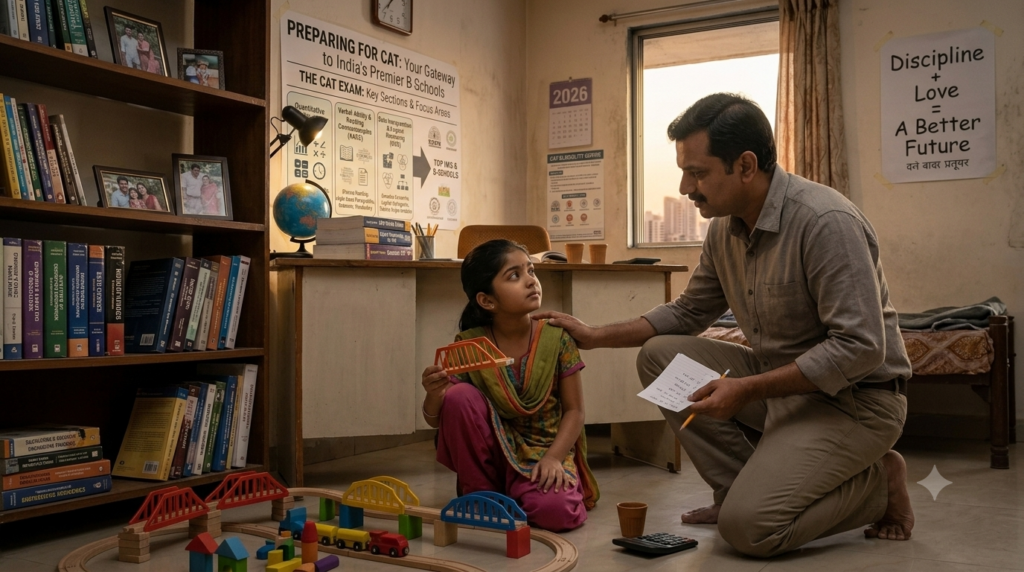
Being too strict can create fear.
Being too lenient can reduce responsibility.
Healthy parenting requires balance.
Children need:
Discipline should teach responsibility—not create resentment.

Children experience emotions just as intensely as adults.
Exam stress.
Friendship problems.
Failure.
Rejection.
Fear.
Anxiety.
Instead of saying,
“Don’t cry.”
Try asking,
“Would you like to tell me what happened?”
Helping children understand and express emotions builds emotional resilience that lasts a lifetime.
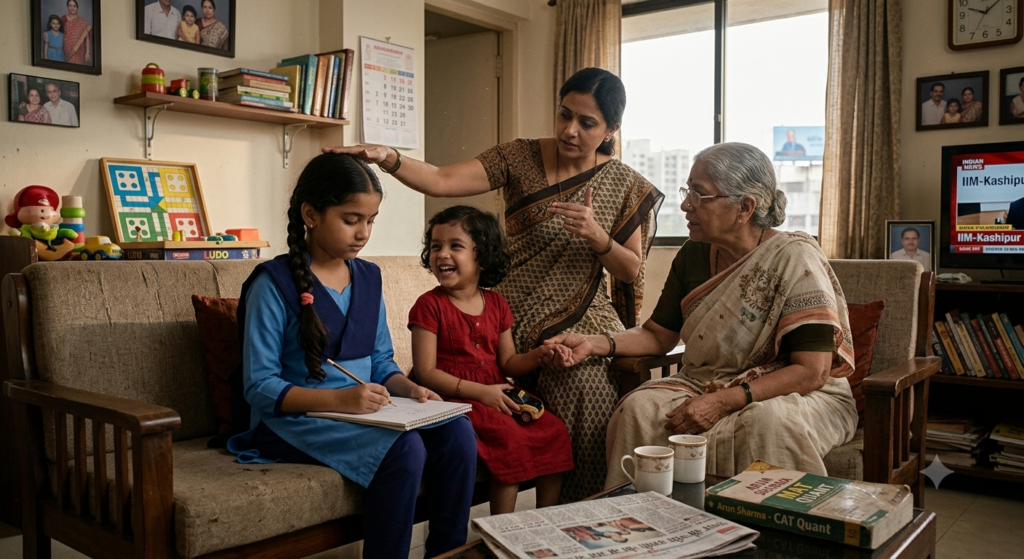
Comparison is one of the quickest ways to damage confidence.
Every child develops at a different pace.
Some speak early.
Some excel in mathematics.
Others shine in sports, music, leadership, or creativity.
Success isn’t about becoming someone else.
It’s about becoming your best self.
Parents should focus on individual growth rather than comparison.
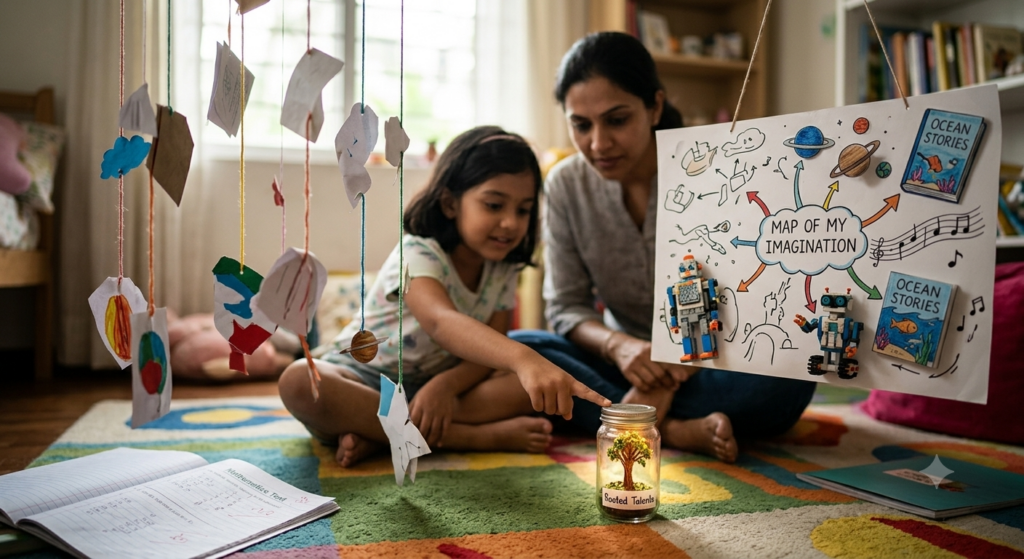
Marks tell us what a child scored.
They don’t tell us:
As parents, understanding these aspects can completely transform the way we guide our children.
Sometimes the greatest gift we can give our children isn’t another tuition class…
It’s understanding.
Imagine trying to operate a sophisticated machine without reading its instruction manual.
That’s exactly how many parents feel.
They love their children deeply—but they don’t fully understand how their child naturally thinks, learns, or responds.
When parents gain this understanding, many everyday struggles become easier to manage.
Instead of forcing one method, they begin guiding their child in ways that suit their natural strengths.
This creates better communication, stronger relationships, improved confidence, and happier learning experiences.
There is no such thing as a perfect parent.
Every parent makes mistakes.
What matters is being willing to learn, adapt, and grow alongside your child.
Children don’t expect perfect parents.
They need parents who are present, patient, and supportive.
Small positive changes today can make a lifelong difference tomorrow.
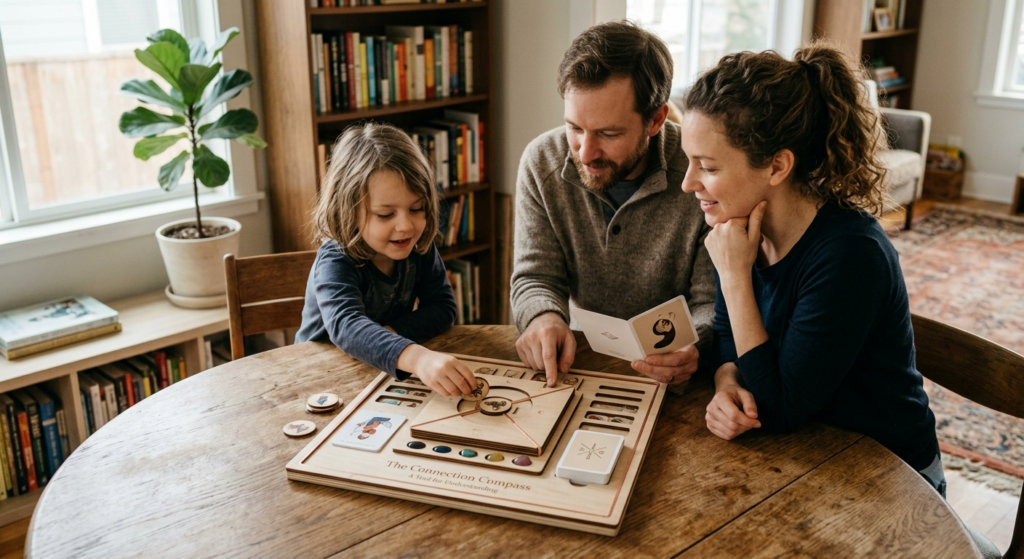
Over the years, I’ve met many parents who told me,
“I wish someone had explained my child to me earlier.”
One tool that many families find valuable is a professionally interpreted DMIT (Dermatoglyphics Multiple Intelligence Test) Consultation.
A DMIT consultation is not about predicting the future or labeling a child.
Instead, it serves as a guidance tool that helps parents better understand:
When combined with a parent’s observations, school feedback, and the child’s own interests, these insights can help families make more informed decisions about education, extracurricular activities, and future planning.
Many parents describe it as something close to the “parenting manual” they wish they had from the beginning.
Every child deserves to be understood before they are judged.
At SH Development Academy, we help parents move beyond guesswork by understanding their child’s unique potential through professional DMIT interpretation and personalized guidance.
Your consultation will be conducted by Santosh Hariharan — DMIT Consultant, Parent & Career Coach, Student Success Coach, and Certified Career Analyst, who has guided hundreds of families in making informed parenting and career decisions.
If you’d like greater clarity about your child’s learning style, strengths, personality, and future direction, we’d be happy to guide you.
https://docs.google.com/forms/d/e/1FAIpQLSd6-u-BEr3ESzoHq2CXjkYZIr41O1eqh3ip97Lj3JbZ-6xSPA/viewform
https://share.google/ac9hkh20zcXadkJs9
+91 8421315400
+91 7303290862
Because parenting becomes much easier when you truly understand the child you’re raising.
Success & Happiness are the two most important yet elusive things which every human being yearns to achieve in life. Real success and happiness can be savoured only when one enjoys good health and good family relations, along with a good professional career and sound financial stability.
Our Visitor


 Users Today : 22