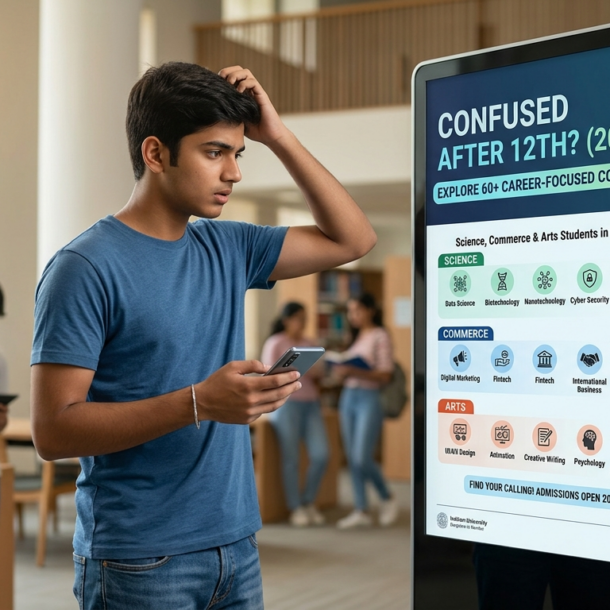
As parents, we often find ourselves comparing children — sometimes without even realizing it.
One child learns multiplication tables in a few days, while another takes weeks.
One child can remember stories after hearing them once, while another needs to see pictures and diagrams.
One child loves reading books, while another learns best by touching, doing, and experiencing things firsthand.
This raises an important question:
Why do children have different learning styles and different rates of learning?
The answer is simple yet fascinating: every child’s brain is wired differently.
Just as no two fingerprints are identical, no two children process information, understand concepts, retain knowledge, or respond to teaching methods in exactly the same way.
Understanding these differences can transform the way parents guide, teach, and support their children.
In this article, we’ll explore what influences a child’s learning style, why some children learn faster than others, and how parents can identify the best way to support their child’s natural learning potential.
One of the biggest myths in education is the belief that all children should learn at the same pace.
In reality, children differ in:
A child who excels in mathematics may struggle with writing.
A child who struggles in academics may excel in sports, creativity, leadership, or communication.
This doesn’t mean one child is smarter than another.
It simply means they are designed to learn differently.
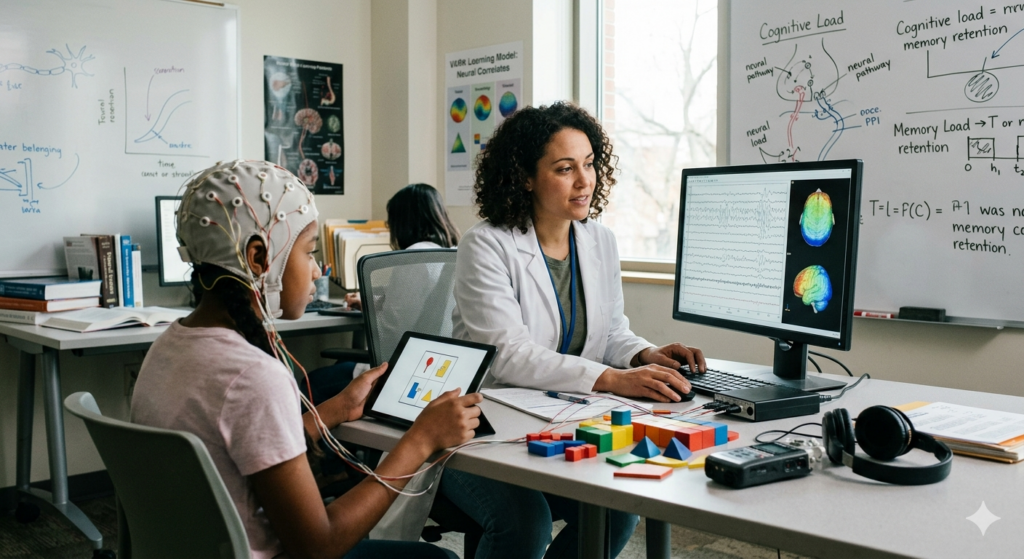
Research in child development and educational psychology suggests that children absorb and process information through different channels.
The three most commonly recognized learning styles are:
These children learn best through:
They often remember what they see better than what they hear.
These children learn best through:
They tend to retain information by hearing it.
These children learn best through:
They often struggle when forced to sit still for long periods.
Many parents ask:
“Why does my child take longer to understand things compared to others?”
The truth is that the rate of learning is influenced by multiple factors.
Every child’s neurological development follows a unique timeline.
Some children develop analytical skills earlier, while others develop creative or social intelligence first.
Children learn faster when they are interested in a subject.
Think about how quickly children learn mobile games, songs, or sports rules when they enjoy them.
Interest fuels attention, and attention fuels learning.
A child who believes:
“I can do this”
usually learns faster than a child who constantly fears making mistakes.
Confidence plays a major role in learning speed.
Children learn best when they feel:
Excessive criticism and comparison can slow learning significantly.
Sometimes the problem is not the child.
The problem is that the teaching style does not match the child’s learning style.
A visual learner may struggle with verbal explanations.
A kinesthetic learner may struggle with textbook-only learning.
When the teaching approach changes, the child’s performance often improves dramatically.
As a Parent & Career Coach, one of the most common mistakes I see is comparison.
Parents often say:
However, comparison ignores one fundamental truth:
Just as different mobile phones run on different software, children process information differently.
Expecting every child to learn the same way can lead to:
Understanding a child’s natural style helps parents replace frustration with clarity.
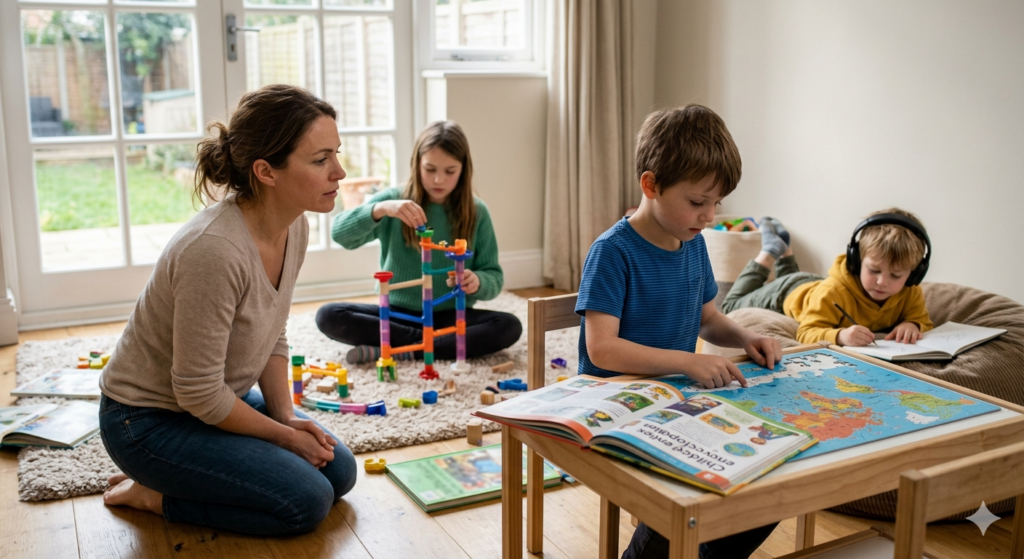
When parents understand how their child learns best, they can:
Study methods become more effective.
Parents stop forcing approaches that don’t work.
Children feel understood rather than judged.
Children begin to recognize their strengths.
Understanding natural abilities early helps in future educational and career decisions.
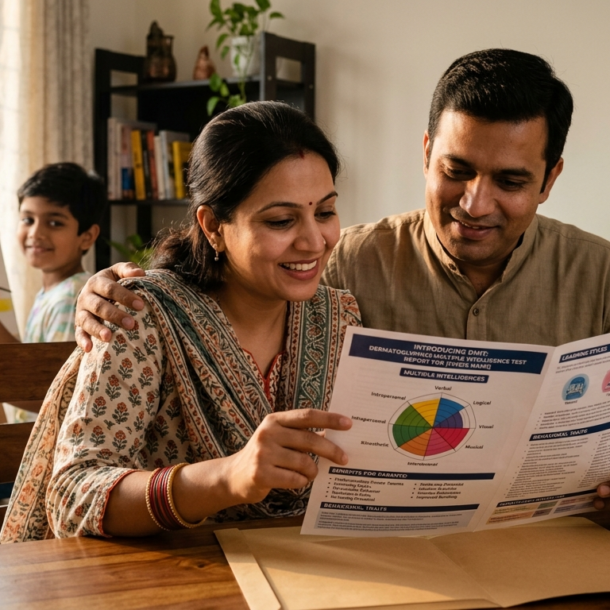
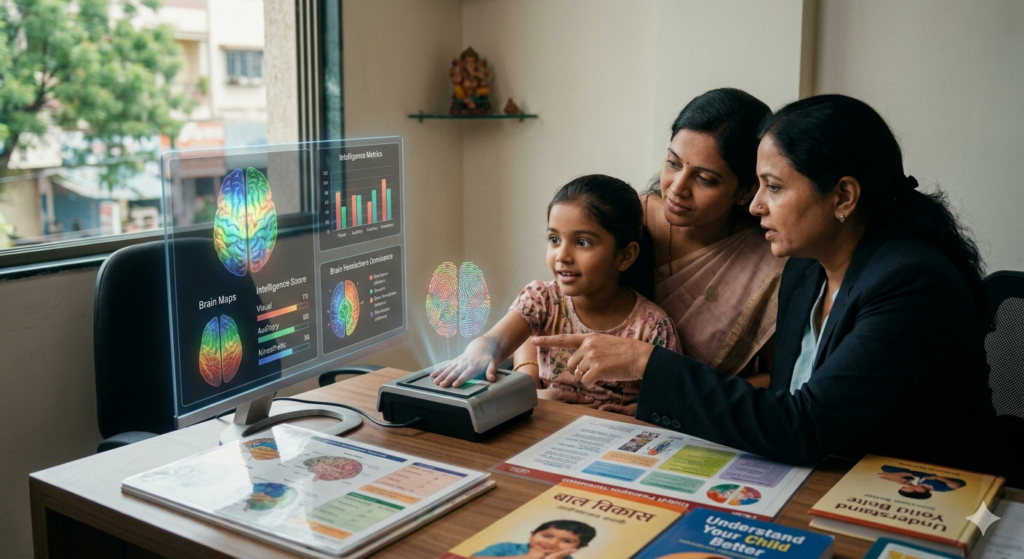
One of the key areas explored through a DMIT (Dermatoglyphics Multiple Intelligence Test) assessment is a child’s natural learning preferences and intelligence strengths.
A detailed DMIT consultation can provide insights into:
Many parents find that understanding these patterns helps them make better decisions about academics, extracurricular activities, and parenting approaches.
Your child’s learning speed does not define their future success.
Some children bloom early.
Others bloom later.
The goal of parenting is not to make every child learn the same way.
The goal is to understand how your child learns best and help them grow with confidence.
When parents stop comparing and start understanding, remarkable transformations happen.
Every child is unique.
The challenge is that most parents are never taught how their child’s mind naturally learns, thinks, and responds to information.
At SH Development Academy, Santosh Hariharan (DMIT Consultant, Parent & Career Coach, and Success Mindset Coach) helps parents gain deeper insights into their child’s learning style, strengths, personality, and developmental needs through personalized DMIT consultations.
👉 Book Your DMIT Consultation Here:
DMIT Consultation Booking Form
⭐ 310+ Parents Have Trusted Our Guidance
👉 See 310+ Google Reviews
📞 Call / WhatsApp:
+91 8421315400
+91 7303290862
Because the greatest gift you can give your child is not more pressure — it is better understanding. ❤️
Success & Happiness are the two most important yet elusive things which every human being yearns to achieve in life. Real success and happiness can be savoured only when one enjoys good health and good family relations, along with a good professional career and sound financial stability.
Our Visitor


 Users Today : 14