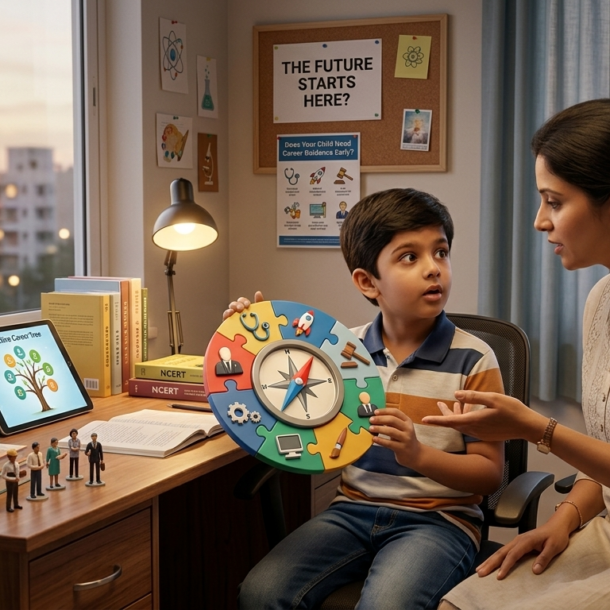

If you’ve ever found yourself saying…
“My child doesn’t listen.”
“Why is my child becoming so stubborn?”
“Why does my child throw tantrums over small things?”
…you’re not alone.
One of the biggest concerns parents bring to us during counselling sessions is child behavior problems. Whether it’s anger, stubbornness, aggression, poor focus, emotional outbursts, or constant arguments, many parents feel confused and overwhelmed.
But here’s something every parent should know:
Children don’t always act out to create problems—they often act out because they’re trying to communicate something they don’t yet have the words to express.
Understanding the psychology behind your child’s behavior is the first step toward becoming a calmer, more confident parent.
Every child is unique.
Some children are naturally energetic, while others are quiet observers. Some express emotions openly, while others keep everything inside.
What parents often call “bad behavior” may actually be a child’s response to:
Instead of asking:
“What’s wrong with my child?”
Try asking:
“What is my child trying to tell me through this behavior?”
That simple shift can completely change the parent-child relationship.
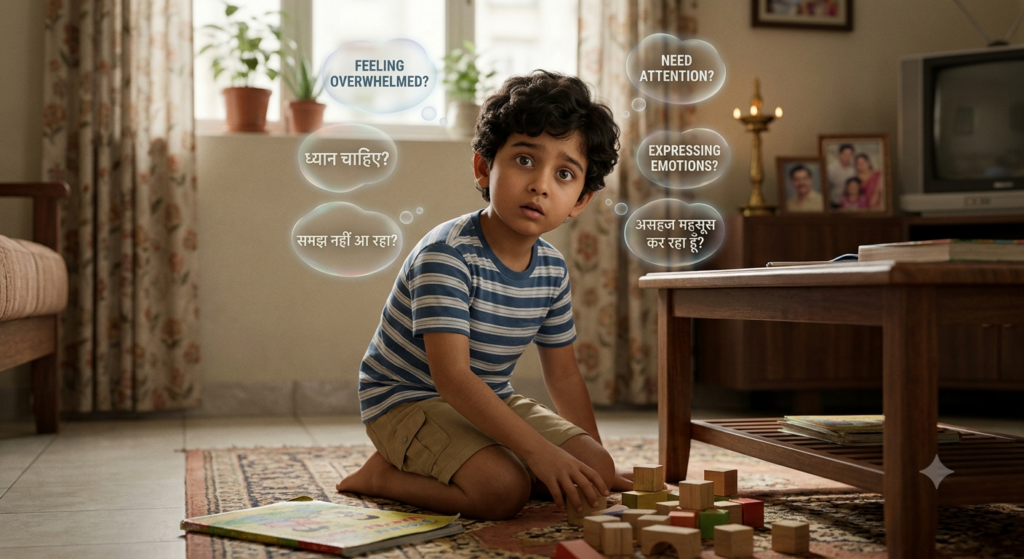
Children’s brains are still developing, especially the areas responsible for emotional regulation, decision-making, and impulse control.
This means they don’t always have the ability to express emotions the way adults do.
Instead, emotions often appear as behaviors.
For example:
Behavior is often a symptom—not the root cause.
Many parents seek help for issues such as:
Regular emotional outbursts may indicate difficulty managing emotions rather than intentional misbehavior.
Hitting, shouting, or throwing things can sometimes reflect frustration, stress, or an inability to communicate effectively.
Not every child who struggles to concentrate is lazy. Learning preferences, motivation, sleep, routines, and environmental factors all play a role.
Many children turn to screens because they provide instant stimulation. Over time, this can affect attention span, patience, and family interactions.
Fear of failure, constant comparison, and academic pressure can slowly reduce a child’s confidence.
Several factors shape a child’s behavior over time.
Children learn more from what they observe than what they are told.
Calm, consistent parenting often produces better long-term outcomes than constant punishment.
Academic expectations, friendships, teachers, and classroom experiences influence emotional wellbeing.
Children are highly sensitive to stress within the family.
Arguments, inconsistency, or lack of quality time can affect behavior.
Every child wants to feel:
When these needs are unmet, behavior often changes.
One of the biggest parenting mistakes is comparison.
Statements like:
may temporarily motivate, but over time they can create:
Every child has a different pace of learning and development.
Academic scores reveal only one small part of a child’s potential.
A child may naturally excel in:
When parents recognise these strengths, children often become more confident and cooperative.
Many behavior problems improve when parents change the way they respond.
Instead of reacting immediately, try to:
Children who feel understood are generally more willing to cooperate.
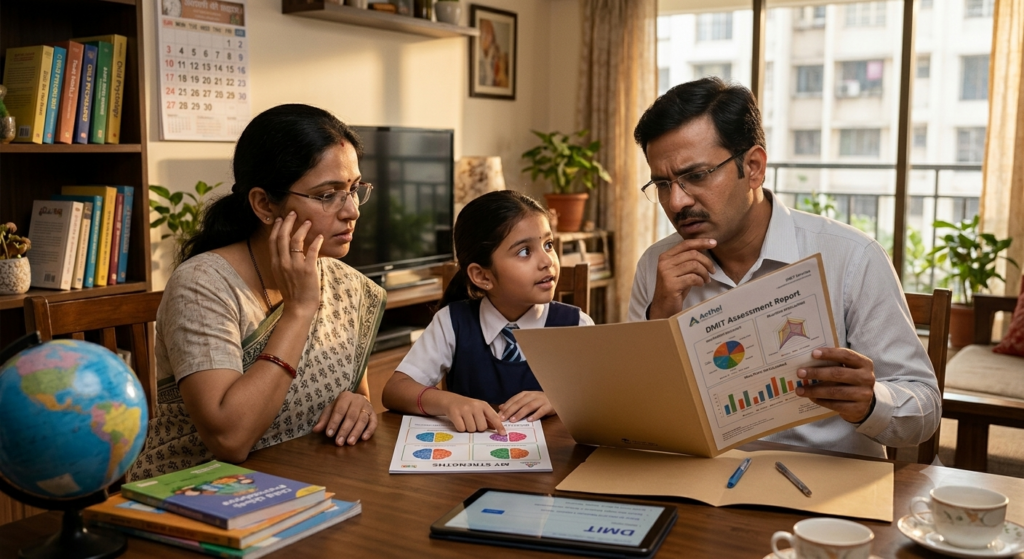
Many parents ask whether understanding a child’s natural strengths and learning preferences can improve parenting.
A professionally interpreted DMIT (Dermatoglyphics Multiple Intelligence Test) is designed as a guidance tool that can provide insights into a child’s:
While DMIT should not be viewed as a medical or psychological diagnosis or as a predictor of future outcomes, many parents find that it helps them better understand how their child learns and responds to different situations. When combined with observation, open communication, and supportive parenting, these insights can contribute to more informed decisions.
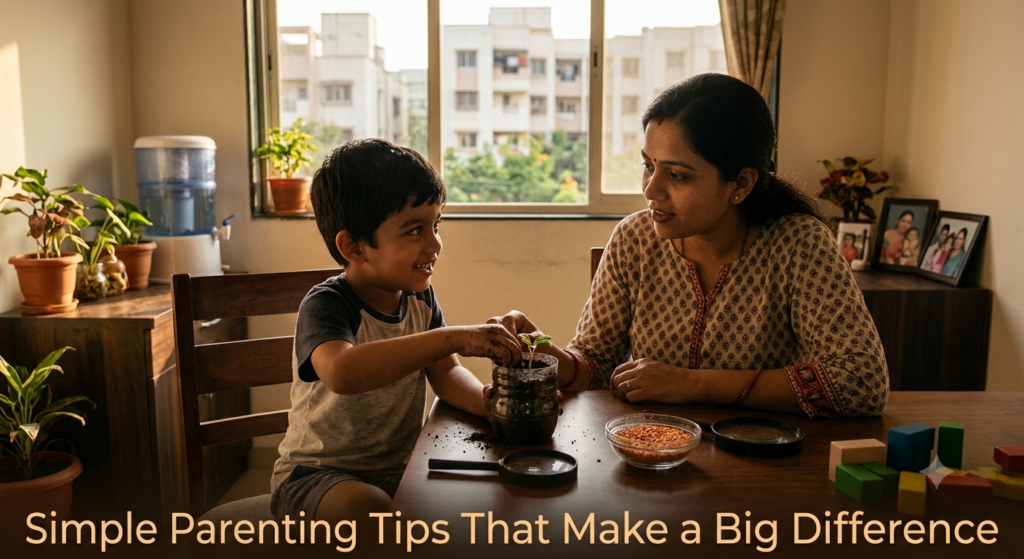
✔ Spend at least 20 minutes of uninterrupted quality time with your child every day.
✔ Praise effort, not just results.
✔ Set clear and consistent boundaries.
✔ Reduce unnecessary comparisons.
✔ Encourage open conversations without fear.
✔ Focus on understanding the reason behind behavior rather than reacting to it immediately.
Small daily changes often create lasting improvements.
Every child communicates differently.
Sometimes through words.
Sometimes through actions.
And sometimes through behavior that parents struggle to understand.
Instead of viewing behavior as a problem to be controlled, try seeing it as an opportunity to understand your child more deeply.
The better you understand your child today, the better you can guide their tomorrow.
If you’re worried about your child’s behavior, learning style, confidence, or future direction, professional guidance can make a meaningful difference.
At SH Development Academy, Santosh Hariharan—DMIT Consultant, Parent & Career Coach, and Success Mindset Coach—has helped over 1,000+ parents and students gain greater clarity about their children’s strengths, learning preferences, and development.
Through our DMIT Consultation, we help parents understand their child more holistically so they can make informed parenting, learning, and career guidance decisions.
⭐ Trusted by 400+ families on Google.
👉 Read our 400+ Google Reviews: https://share.google/ac9hkh20zcXadkJs9
📝 Book Your DMIT Consultation: https://docs.google.com/forms/d/e/1FAIpQLSd6-u-BEr3ESzoHq2CXjkYZIr41O1eqh3ip97Lj3JbZ-6xSPA/viewform
📞 Call or WhatsApp:
+91 8421315400 | +91 7303290862
Because every child deserves to be understood—not just evaluated.
Success & Happiness are the two most important yet elusive things which every human being yearns to achieve in life. Real success and happiness can be savoured only when one enjoys good health and good family relations, along with a good professional career and sound financial stability.
Our Visitor


 Users Today : 6